US-Iran Talks Need More Time, Says Qatar Amid Rising Middle East Tensions
A senior Qatari official has said that ongoing negotiations between the United States and Iran require “more time,” signalling that diplomatic efforts remain active despite rising geopolitical tensions and recent military concerns in the region. The comments come amid intensified international attention on efforts to prevent further escalation in West Asia.
According to reports, Qatar expressed support for the diplomatic mediation efforts currently being facilitated through Pakistan and emphasised the importance of continued dialogue between the two sides.
Qatar Backs Continued Diplomatic Engagement
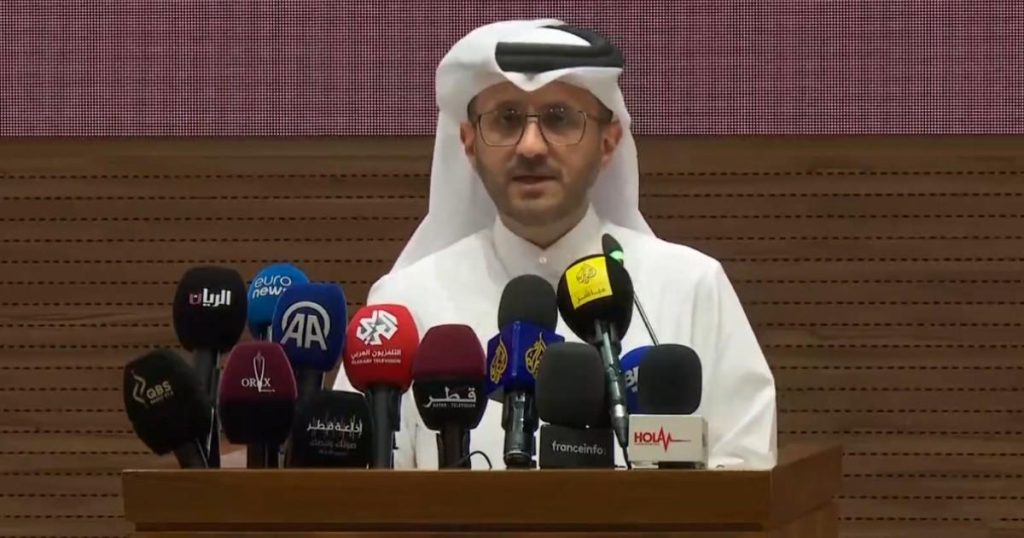
Qatari foreign ministry spokesperson Majed al-Ansari reportedly stated that negotiations require additional time to achieve progress, while reaffirming support for diplomatic channels aimed at bringing both parties closer to a solution.
The remarks followed statements by U.S. President Donald Trump indicating that a planned military action against Iran had been postponed to allow negotiations to continue.
Why the Talks Matter
The ongoing discussions are viewed as highly significant because tensions between Washington and Tehran have implications for:
- Regional security
- Global oil markets
- Strait of Hormuz shipping routes
- Energy prices
- International diplomacy
- Nuclear negotiations
The situation has also heightened market concerns around crude oil volatility and geopolitical stability.
Reports indicate that Gulf nations including Qatar, Saudi Arabia, and the UAE have encouraged continued negotiations to avoid wider regional conflict.
Energy Markets Closely Watching Diplomatic Developments
The progress of US-Iran negotiations continues to be closely monitored by global energy markets because of the region’s importance to international oil and gas supply chains. Any escalation involving Iran or disruptions around the Strait of Hormuz could significantly affect crude oil prices, shipping routes, and broader market stability. Investors remain sensitive to geopolitical developments that may influence energy security and inflation expectations worldwide.
Diplomatic Mediation Efforts Continue
Regional countries, particularly Gulf nations, have increasingly emphasised dialogue and de-escalation amid concerns that prolonged instability could impact economic activity, trade flows, and regional security. Qatar’s comments reinforce the view that diplomatic channels remain active even as negotiations appear complex and time-consuming.
Global Strategic Importance Remains High
The outcome of the discussions may carry implications far beyond bilateral US-Iran relations, potentially affecting international diplomacy, sanctions policy, defence positioning, and economic sentiment across multiple regions. Global powers are therefore expected to continue closely tracking developments surrounding the negotiations.
Negotiations Remain Complex
Despite signs of diplomatic engagement, major disagreements reportedly remain over issues including Iran’s nuclear programme, sanctions, regional security arrangements, and maritime access in the Strait of Hormuz.
Global attention is expected to remain fixed on the negotiations as diplomats attempt to avoid renewed conflict while addressing core disagreements surrounding security and nuclear-related concerns.
Key Insights
- Qatar said ongoing US-Iran negotiations require more time, underscoring the complexity of diplomatic efforts amid escalating regional tensions.
- Qatari officials reiterated support for dialogue and ceasefire efforts, warning that failure in negotiations could deepen instability across the Middle East.
- The talks come against a backdrop of heightened military, political, and energy-security concerns involving the United States and Iran.
- Regional stakeholders are increasingly focused on preventing wider disruption to the Strait of Hormuz, a critical global energy transit route with major implications for oil and gas markets.
- Qatar emphasized that diplomacy remains the only sustainable path forward, even as uncertainty persists over the direction and pace of negotiations.
- Analysts and officials continue to warn that prolonged deadlock or miscalculation could raise the risk of broader regional conflict and economic fallout.
Image credits: YouTube / APT
Add Pioneer Today as a preferred source on Google – Click Here
Last Updated on: Tuesday, May 19, 2026 5:51 pm by Koushik Velpuri | Published by: Koushik Velpuri on Tuesday, May 19, 2026 5:51 pm | News Categories: News
About The Author