
Stock Market Crash Today: Sensex Plunges 1,200 Points as IT Selloff Deepens; TCS, Infosys Lead Decline
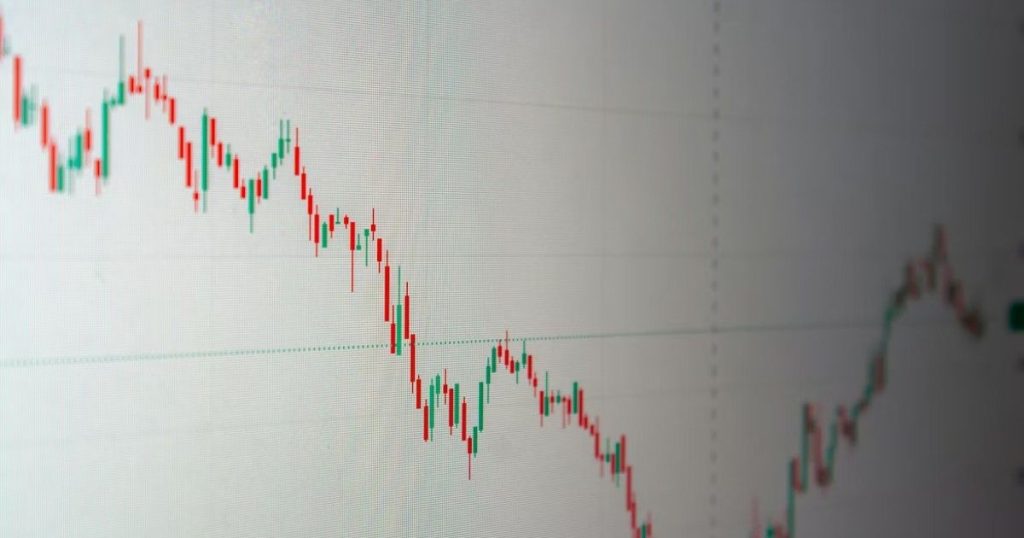
Indian benchmark indices witnessed a steep sell-off, with the BSE Sensex crashing nearly 1,200 points to the day’s lowest level, while the NSE Nifty 50 remained under heavy pressure amid broad-based market weakness. Major IT heavyweights Tata Consultancy Services Limited and Infosys Limited led the technology sector decline, intensifying the market downturn.
The sharp correction reflects heightened investor caution amid global uncertainty, foreign investor nervousness, and aggressive selling in heavyweight sectors.
IT Stocks Lead Market Selloff
Technology stocks emerged as major laggards during the session, with selling pressure intensifying in frontline IT counters. Given their significant weight in benchmark indices, weakness in major technology companies amplified the broader market decline.
Investors remain cautious about global demand trends, enterprise technology spending, and macroeconomic uncertainty affecting export-driven IT firms.
Sensex and Nifty Hit Session Lows
Benchmark indices extended losses through the session as selling broadened across sectors. The Sensex’s 1,200-point plunge reflects one of the sharper intraday corrections, while the Nifty remained under pressure as investors reduced exposure to risk-sensitive equities.
Why Markets Are Falling Today
Several factors appear to be contributing to the market crash:
- Global geopolitical uncertainty
- Foreign institutional investor selling
- Sharp IT sector weakness
- Profit booking in large-cap stocks
- Crude oil volatility
- Global risk-off sentiment
TCS and Infosys in Focus
TCS and Infosys remain closely watched due to their large benchmark weightage and strong linkage to international business conditions. Weakness in these stocks often significantly influences market direction, especially during risk-off sessions.
Foreign Institutional Selling Intensifies Market Weakness
Foreign institutional investor activity continues to remain a major short-term market driver, and any sustained outflows can significantly increase selling pressure in benchmark-heavy sectors. Banking, information technology, and financial services stocks often experience sharper declines during such phases due to their substantial institutional ownership.
Analysts say global uncertainty is encouraging cautious positioning among overseas investors.
IT Sector Sentiment Remains Sensitive to Global Cues
The Indian IT sector remains highly dependent on international business demand, particularly from North America and Europe. Any concerns around slower enterprise spending, delayed technology budgets, or global economic uncertainty can quickly impact investor confidence in export-oriented technology companies. This sensitivity explains the sharp reaction in major IT counters during broader market stress.
Profit Booking Adds to Volatility
Apart from external concerns, profit booking in large-cap stocks has also contributed to the sharp correction. After periods of strong market performance, investors often reduce exposure to lock in gains, which can accelerate downside movement when combined with weak sentiment.
Traders Watch Recovery Signals
Technical analysts are closely monitoring benchmark support zones for signs of stabilisation. A recovery in global sentiment, easing geopolitical concerns, or bargain buying in oversold large-cap stocks could help improve market mood in the coming sessions, though near-term volatility may remain elevated.
Export-Oriented Sectors Face Pressure
Although a weaker rupee can sometimes benefit exporters, broader concerns around global growth, client spending, and risk sentiment appear to be outweighing currency-related positives for IT investors.
Defensive Rotation May Continue
In volatile market conditions, investors often rotate toward relatively defensive sectors such as:
- Pharmaceuticals
- Utilities
- Consumer staples
- Select low-volatility large caps
Selective resilience may emerge in these segments.
Technical Levels Under Watch
Market analysts say benchmark indices are approaching critical short-term support zones. Failure to stabilise could trigger additional downside pressure and extended volatility.
Outlook
Analysts expect markets to remain volatile as investors continue tracking global developments, foreign institutional activity, crude oil prices, and sector-specific earnings trends. Any improvement in international sentiment could help support a technical recovery.
Image source: Unsplash
Add Pioneer Today as a preferred source on Google – Click Here
Last Updated on: Tuesday, May 12, 2026 3:06 pm by Koushik Velpuri | Published by: Koushik Velpuri on Tuesday, May 12, 2026 3:06 pm | News Categories: Business
About The Author