Strait of Hormuz Now a 500-Kilometre Operational ‘Crescent’: Why the Waterway Matters Globally
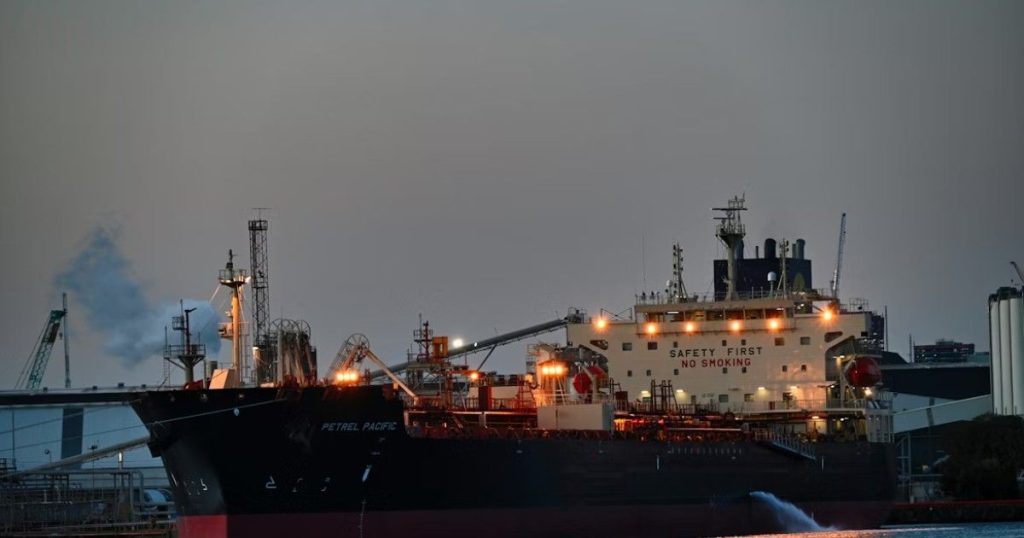
The Strait of Hormuz has once again come under intense geopolitical focus, with analysts describing the broader surrounding operational zone as a nearly 500-kilometre strategic ‘crescent’ due to heightened military monitoring and regional tensions. The development has renewed concerns over global energy security, shipping safety, and international trade stability.
The narrow but critically important maritime corridor remains one of the world’s most strategically sensitive energy chokepoints.
Why the Strait of Hormuz Is So Important
The Strait of Hormuz connects the Persian Gulf with the Gulf of Oman and the Arabian Sea, serving as one of the world’s most vital oil and gas transit routes.
A significant share of global energy shipments passes through this route, making any disruption highly consequential for international markets.
Key strategic significance includes:
- Major crude oil transit corridor
- LNG shipping route
- Critical global trade passage
- Energy supply chain dependency
- Regional military sensitivity
What the ‘Operational Crescent’ Means
The description of a 500-kilometre operational ‘crescent’ reflects the broader maritime and strategic zone surrounding the strait where military surveillance, naval activity, and regional security monitoring are intensifying.
This suggests that the strategic risk extends beyond the narrow shipping lane itself into surrounding waters and operational zones.
Global Energy Markets Closely Watching
Any instability in the Strait of Hormuz can immediately influence global commodity markets, especially crude oil prices.
Potential impacts include:
- Oil price spikes
- Shipping insurance cost increases
- Supply chain disruption fears
- Global inflation concerns
- Currency volatility in importing economies
Energy Markets Remain Highly Sensitive to Regional Escalation
Global energy markets are extremely sensitive to any signs of instability in strategically important maritime corridors such as the Strait of Hormuz. Even the perception of increased risk can trigger sharp reactions in crude oil prices, as traders factor in the possibility of supply disruptions, shipping delays, or rising transport costs. Market volatility often increases rapidly during such geopolitical flashpoints.
Shipping Costs and Insurance Premiums Could Rise
Heightened security concerns in the region may also push up maritime insurance premiums and operational costs for shipping companies. Commercial vessels navigating high-risk zones often face stricter security protocols, rerouting considerations, and additional logistical expenses, all of which can eventually influence global supply chain costs.
Broader Economic Ripple Effects Possible
A prolonged disruption in this critical energy corridor could have far-reaching consequences beyond oil markets. Higher fuel costs may contribute to inflationary pressure, affect transportation and manufacturing sectors, and weigh on import-dependent economies. Financial markets, currencies, and investor sentiment also tend to react sharply to sustained geopolitical instability.
Why India Is Sensitive to Developments
India, as a major crude oil importer, remains particularly exposed to disruptions affecting West Asian energy flows.
Higher crude prices can affect:
- Fuel prices
- Inflation
- Rupee stability
- Trade deficit
- Corporate input costs
Shipping and Security Risks
Heightened tensions can raise concerns around commercial shipping safety, rerouting pressures, insurance premiums, and military risk assessments for vessels operating in the region.
Global shipping operators closely monitor developments in such strategic chokepoints.
International Diplomatic Attention Intensifies
Major global powers often respond quickly to developments involving the Strait of Hormuz due to its importance to international energy security and maritime trade.
Diplomatic, military, and economic stakeholders continue monitoring the evolving situation.
Outlook
The Strait of Hormuz remains one of the world’s most critical geopolitical flashpoints. Any escalation affecting shipping access or energy flows could have immediate consequences for global markets, commodity prices, and economic stability.
Image source: Unsplash
Also read: Borosil Renewables Q4 results FY26: Profit Jumps to ₹169 Crore as EBITDA Soars 782%
Add Pioneer Today as a preferred source on Google – Click Here
Last Updated on: Tuesday, May 12, 2026 3:35 pm by Koushik Velpuri | Published by: Koushik Velpuri on Tuesday, May 12, 2026 3:35 pm | News Categories: News
About The Author