Hyderabad Metro Phase 2 Gets Major Push as Centre Backs 50:50 Cost-Sharing Plan
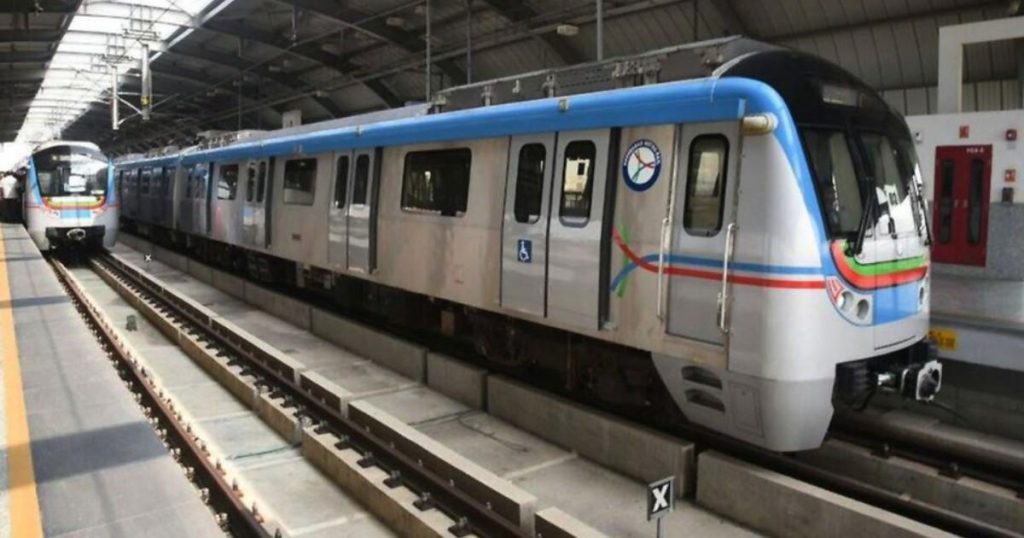
The Centre has expressed willingness to move forward with Hyderabad Metro Rail Phase II under a 50:50 cost-sharing model, according to Union ministerial communication involving Housing and Urban Affairs Minister Manohar Lal Khattar and Union Minister G. Kishan Reddy. The development could provide significant momentum to Hyderabad’s urban transport expansion plans.
The proposal is likely to be closely watched by commuters, infrastructure planners, and state authorities given Hyderabad’s growing mobility demands.
Major Push for Hyderabad Metro Expansion
Hyderabad Metro Rail Phase II has been viewed as a crucial infrastructure expansion aimed at improving connectivity, reducing congestion, and strengthening mass urban transit capacity in the city.
The expansion could support:
- Improved urban connectivity
- Reduced road congestion
- Faster commuter mobility
- Lower travel time
- Better public transport integration
- Long-term urban infrastructure growth
50:50 Cost-Sharing Model Explained
A 50:50 cost-sharing structure would imply equal financial participation between the Centre and the state government, potentially easing funding constraints for large-scale urban infrastructure execution.
Such models are often important for:
- Faster project viability
- Reduced state financial burden
- Better execution confidence
- Long-term infrastructure planning
Why Hyderabad Metro Phase II Matters
Hyderabad’s continued urban growth has intensified demand for expanded public transportation networks.
Metro expansion remains strategically important because of:
- Rising commuter volumes
- Urban expansion corridors
- Traffic congestion concerns
- Sustainable transport goals
- Real estate connectivity impact
Commuter Expectations Likely to Rise
The Centre’s willingness to support Hyderabad Metro Rail Phase II is likely to raise expectations among daily commuters who have long awaited improved connectivity across expanding parts of the city. As Hyderabad continues to grow as a major urban and technology hub, demand for faster, more reliable public transport has increased significantly, particularly in high-density residential and commercial corridors.
Urban Mobility Planning Gains Momentum
Metro expansion is often viewed as a critical component of long-term urban mobility planning, helping cities reduce traffic congestion, improve commute efficiency, and strengthen integration with other transport systems. Expanded metro connectivity can also encourage greater use of public transport, supporting broader sustainability and urban planning objectives.
Infrastructure Execution Will Be Closely Watched
While funding willingness marks an important policy development, project execution timelines, route approvals, intergovernmental coordination, and implementation planning will remain crucial factors in determining how quickly the proposed expansion translates into on-ground progress for Hyderabad residents.
Infrastructure and Economic Significance
Large metro rail projects often create wider economic spillover benefits including:
- Construction employment
- Urban development momentum
- Transit-oriented growth
- Improved business connectivity
- Reduced productivity losses from congestion
Attention will now shift toward formal approvals, implementation timelines, project structuring, and coordination between central and state authorities for the proposed metro expansion.
Key Insights
- Centre backs cost-sharing model: The Union government has supported a 50:50 cost-sharing arrangement for Hyderabad Metro Phase 2, providing a significant boost to the project’s financial viability.
- Momentum for Phase 2 expansion: The move is expected to accelerate long-pending expansion plans, improving urban connectivity and easing congestion in key growth corridors of Hyderabad.
- State–Centre collaboration crucial: The funding structure underscores the importance of coordinated investment between the Telangana government and the Centre for large-scale urban infrastructure.
- Urban mobility impact: Phase 2 is likely to enhance last-mile connectivity, support economic activity, and strengthen Hyderabad’s public transport network amid rapid urbanisation.
- Parallel corporate development: Separately, Tata Trusts is reviewing an ex-parte order following a complaint by Venu Srinivasan, indicating potential legal and governance implications within the organisation.
- Governance and legal scrutiny: The development highlights increasing oversight and internal review processes in major philanthropic and corporate institutions.
- Broader takeaway: While infrastructure gains momentum through policy support, the corporate development signals ongoing attention to governance standards and dispute resolution in influential organisations.
Image credits: Wikipedia
Also read: Radico Khaitan Releases Annual Secretarial Compliance Report
Add Pioneer Today as a preferred source on Google – Click Here
Last Updated on: Wednesday, May 20, 2026 2:41 pm by Koushik Velpuri | Published by: Koushik Velpuri on Wednesday, May 20, 2026 2:41 pm | News Categories: News
About The Author