
Trump 60-Day US-Iran Ceasefire Plan Explained: Key Terms, Risks and What Happens Next
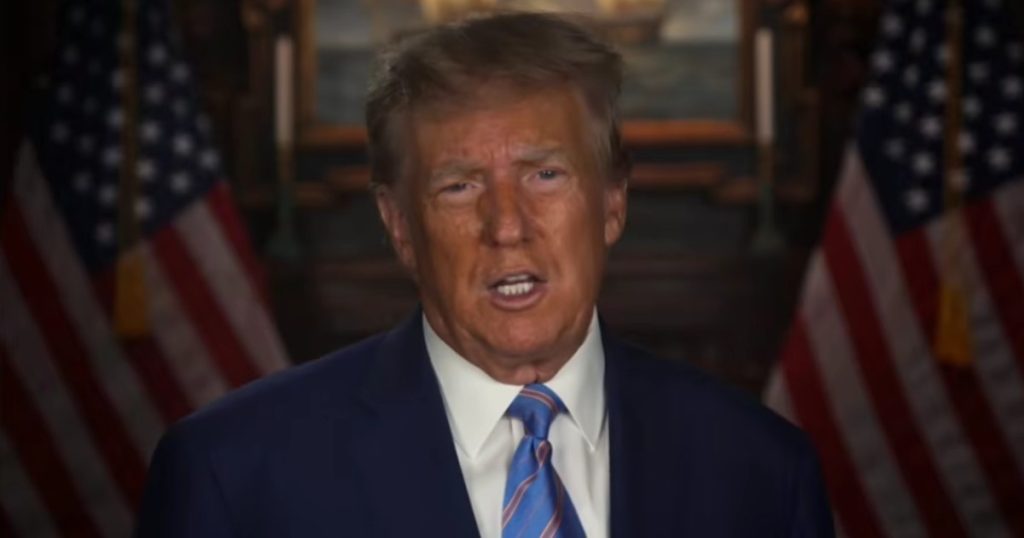
A proposed 60-day ceasefire extension between the United States and Iran has emerged as one of the most closely watched diplomatic developments in the ongoing West Asia conflict. Reports indicate that negotiators from both sides have reached a draft memorandum of understanding (MOU), but the agreement still requires final approval from U.S. President Donald Trump and Iran’s leadership before it can formally take effect.
The proposed framework is aimed at preventing further military escalation, stabilising global energy markets, and creating space for renewed negotiations around Iran’s nuclear programme and regional security issues.
What Is the Proposed 60-Day Truce?
According to reports, U.S. and Iranian negotiators have reached a preliminary understanding to extend the current ceasefire for another 60 days while broader diplomatic talks continue. The extension is being viewed as a temporary de-escalation measure rather than a permanent peace agreement.
The proposal reportedly seeks to reduce immediate military tensions and provide both sides with a diplomatic window to negotiate more complex issues.
Reopening the Strait of Hormuz Is a Key Priority
One of the most significant reported provisions involves reopening and securing the Strait of Hormuz, one of the world’s most important oil transit routes. Reports suggest Iran would remove mines and allow unrestricted commercial shipping during the ceasefire period.
Why Hormuz matters:
- A major portion of global oil exports passes through the route
- Energy markets react sharply to disruptions there
- Asian economies are highly dependent on stable Gulf energy supplies
- Shipping interruptions can trigger global inflation concerns
Nuclear Talks Expected to Restart
The 60-day window would reportedly be used to reopen discussions on Iran’s nuclear programme, including issues surrounding highly enriched uranium stockpiles, monitoring mechanisms, and future enrichment activities.
Nuclear negotiations remain one of the most sensitive aspects of the broader U.S.-Iran relationship.
Potential Sanctions Relief Under Discussion
Reports indicate the United States may discuss limited sanctions relief and possible access to frozen Iranian assets if meaningful progress is achieved during negotiations.
Possible discussion areas include:
- Frozen asset access
- Economic relief measures
- Oil export flexibility
- Compliance-based sanctions adjustments
Why the Deal Matters Globally
The conflict has already affected:
- Global oil prices
- Energy security
- Stock markets
- Shipping routes
- Investor sentiment
Any progress toward stability could reduce pressure on global fuel markets and ease concerns over prolonged regional conflict.
Major Obstacles Still Remain
Despite reports of progress, significant challenges remain before any agreement becomes official.
Trump Has Not Approved the Deal Yet
Multiple reports indicate Trump has not formally signed off on the proposed framework and remains cautious about final approval.
Iran’s Position Remains Guarded
Iranian officials have reportedly downplayed claims that a final agreement already exists, creating uncertainty around Tehran’s ultimate position.
Political Opposition Is Growing
Trump is also facing criticism from some Republican lawmakers and foreign policy hawks who argue that easing pressure on Iran could weaken U.S. leverage after months of confrontation.
Key Highlights
- A proposed 60-day ceasefire agreement between the United States and Iran is reportedly nearing finalisation, pending approval from Donald Trump and Iranian leadership.
- The draft framework aims to extend the current truce and reopen broader negotiations on Iran’s nuclear programme and regional security issues.
- A key provision includes the reopening of the Strait of Hormuz, ensuring safe and uninterrupted global oil shipments.
- In return, the United States may consider limited sanctions relief, easing restrictions, and phased unfreezing of Iranian assets during the truce period.
- The agreement is expected to create a diplomatic window for discussions on Iran’s enriched uranium stockpile and future nuclear commitments.
- Despite reported progress, negotiations remain fragile and subject to change, with both sides maintaining cautious public positions.
Image credits: NewsVent
Also read: Chandrayaan-2 Makes Big Discovery: Possible Subsurface Ice Found Near Moon’s South Pole
Add Pioneer Today as a preferred source on Google – Click Here
Last Updated on: Friday, May 29, 2026 11:40 am by Koushik Velpuri | Published by: Koushik Velpuri on Friday, May 29, 2026 11:40 am | News Categories: News
About The Author