Supreme Court to Review CBSE Three-Language Policy Amid Student Burden Concerns
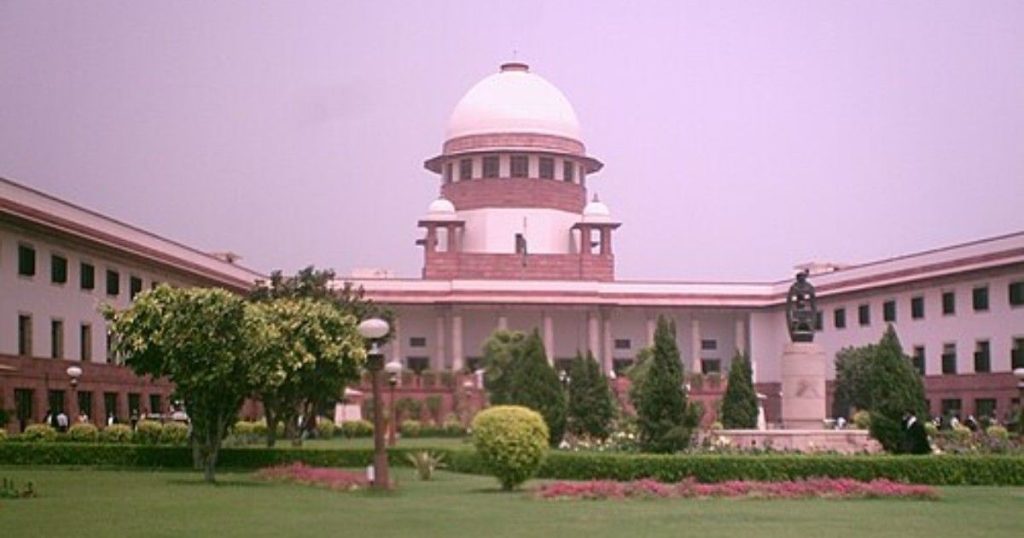
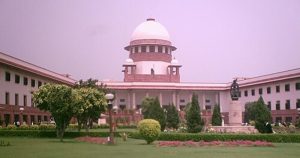
The Supreme Court is set to examine issues surrounding the CBSE three-language policy following concerns over increasing academic burden on students and the practical challenges faced by schools in implementing the framework. The development has once again brought India’s language education policy into national focus, sparking debate among parents, educators, and policymakers.
The case is expected to address whether the current implementation approach balances multilingual education goals with student well-being and institutional feasibility.
What Is the CBSE Three-Language Policy?
The three-language formula is designed to encourage multilingual learning by requiring students to study multiple languages during their school education.
The policy broadly aims to:
- Promote linguistic diversity
- Encourage national integration
- Strengthen regional language learning
- Improve multilingual communication skills
However, implementation across schools and states has often remained a topic of debate.
Why the Supreme Court Is Reviewing the Issue
The matter reportedly involves concerns that the policy may create excessive academic pressure on students while also posing operational difficulties for schools lacking adequate resources.
Key concerns include:
- Increased study load
- Curriculum complexity
- Student stress
- Teacher shortages
- Lack of language learning infrastructure
- Uneven implementation across regions
Student Burden at the Centre of Debate
Parents and education experts have increasingly raised questions about whether students are already overloaded with:
- Competitive academic pressure
- Examination preparation
- Extensive coursework
- Co-curricular expectations
Adding multiple compulsory language requirements may further intensify learning pressure for some students, particularly at younger educational levels.
Resource and Infrastructure Challenges
Implementation of multilingual education policies can become difficult when schools face shortages in:
- Qualified language teachers
- Teaching materials
- Training support
- Classroom infrastructure
These challenges may be more severe in smaller towns, rural areas, and resource-constrained institutions.
Broader Education Policy Implications
The issue goes beyond language learning and touches larger debates around:
- Curriculum design
- Student mental well-being
- Educational equality
- Regional language identity
- National education policy goals
The Supreme Court’s review could therefore influence future policy discussions related to school education frameworks in India.
Reactions Likely Across Education Sector
The development is expected to generate strong responses from:
- Parents’ associations
- Teachers and educators
- State governments
- Education policy experts
- Student groups
Key Insights
- The Supreme Court of India has agreed to review concerns over the Central Board of Secondary Education’s three-language policy, following petitions questioning its impact on students.
- Petitioners argue the policy could increase academic pressure, especially for students already managing a heavy curriculum load.
- The court is expected to examine whether the policy aligns with constitutional principles, student welfare, and equitable access to education.
- The issue is linked to the broader framework of the National Education Policy (NEP), which promotes multilingual learning but has sparked debate over practical implementation.
- Concerns include regional language preferences, curriculum standardisation, and flexibility for students across different states.
- The outcome of the case could have wide-ranging implications for school curricula, language requirements, and education policy nationwide.
- Further hearings are likely to shape how India balances linguistic diversity with academic load and student well-being.
Image credits: NewsVent
Add Pioneer Today as a preferred source on Google – Click Here
Last Updated on: Thursday, May 28, 2026 10:38 am by Koushik Velpuri | Published by: Koushik Velpuri on Thursday, May 28, 2026 10:38 am | News Categories: Education
About The Author