‘Are Cartoons in NCERT Textbooks Appropriate?’ Supreme Court Seeks Review by Retired Judge-Led Panel

The Supreme Court of India has reportedly asked a panel headed by a retired judge to review the appropriateness of cartoons featured in NCERT textbooks, bringing renewed focus to educational content standards, academic oversight, and the broader debate around curriculum sensitivity in public education.
The development adds a fresh legal and policy dimension to the ongoing discussion surrounding textbook content and educational material governance.
Supreme Court Seeks Content Review
The apex court’s move indicates judicial attention toward questions concerning educational material appropriateness, particularly where public interest concerns intersect with school curriculum content.
The retired judge-led panel is expected to examine issues related to educational context, suitability, and broader concerns raised in connection with the material.
Why the Matter Matters
The issue touches multiple public-interest themes, including:
- Educational content standards
- Academic oversight
- Curriculum governance
- Sensitivity in school education
- Institutional accountability
- Public education policy
NCERT Content Governance in Focus
As a major public educational body, NCERT’s textbook content frequently carries national significance because of its wide usage across schools and education systems.
Debates around textbook material often involve balancing:
- Academic freedom
- Educational relevance
- Age appropriateness
- Historical context
- Pedagogical objectives
Education Policy Debate May Gain Momentum
The Supreme Court’s latest intervention could reignite broader discussion around how educational content is selected, reviewed, and presented in school textbooks. Curriculum-related debates often extend beyond specific material to larger questions about pedagogical intent, age appropriateness, contextual interpretation, and institutional oversight.
Education experts, teachers, and policy observers may closely follow whether the review leads to wider recommendations on content evaluation standards.
Balancing Academic Freedom and Public Sensitivity
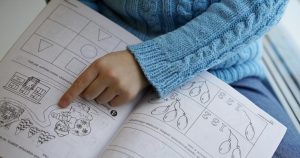
Textbook content disputes frequently involve balancing academic expression with concerns about public sensitivity, student understanding, and educational context. Cartoons and visual material are often used in educational settings to simplify complex historical, political, or social concepts, but interpretation can vary depending on audience perspective, cultural context, and classroom environment.
Institutional Accountability in Focus
As a key public educational institution, NCERT’s content decisions often attract heightened scrutiny because of their wide influence across India’s school system. Judicial attention to such matters can intensify public expectations around transparency, review mechanisms, and curriculum governance processes.
Broader Implications Could Emerge
Depending on the panel’s findings and future legal developments, the case may contribute to broader discussions on how public educational material is assessed, updated, and regulated, particularly when content becomes the subject of public or legal concern.
Legal and Education Communities Watching
Education-related judicial interventions often attract attention from:
- Teachers
- Education policy observers
- Academic communities
- Legal experts
- Parents and school stakeholders
Attention will now shift toward the panel’s review findings, legal proceedings, and whether the matter influences broader conversations around curriculum design and educational content evaluation.
Key Insights
- The Supreme Court of India has raised concerns over the appropriateness of cartoons in NCERT textbooks, prompting closer judicial scrutiny.
- The court has directed that the issue be examined by a panel led by a retired judge, indicating a structured and independent review process.
- The matter involves NCERT and relates to content used in school curricula, particularly its educational and social sensitivity.
- The review will assess whether such cartoons are pedagogically appropriate and aligned with constitutional values, especially in a diverse classroom context.
- The move reflects broader concerns around academic content, representation, and student impact in school education.
- The panel’s findings could influence future textbook design, editorial guidelines, and content vetting mechanisms in India.
- The case underscores the growing role of the judiciary in addressing curriculum-related disputes and public sensitivities in education.
Image source: Unsplash
Also read: India-Africa Forum Summit Put on Hold as Ebola Outbreak Raises Global Health Alarm
Add Pioneer Today as a preferred source on Google – Click Here
Last Updated on: Friday, May 22, 2026 4:21 pm by Koushik Velpuri | Published by: Koushik Velpuri on Friday, May 22, 2026 4:21 pm | News Categories: Education
About The Author