India GST Collection Rises 8.7% in April 2026 on Strong Domestic Consumption
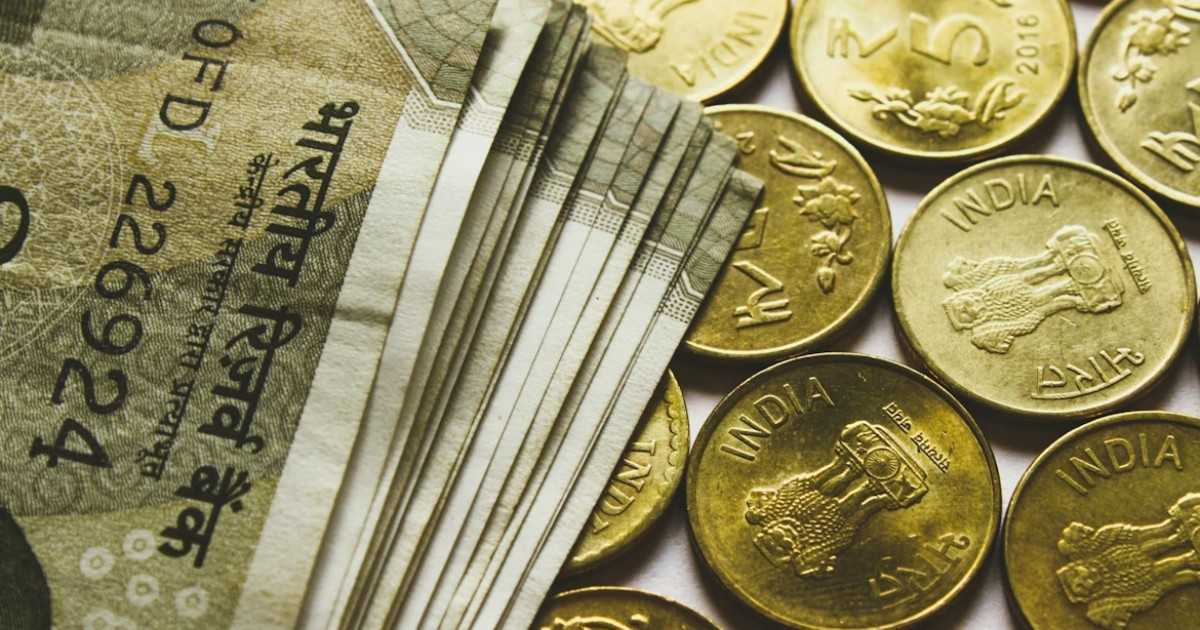
India’s gross Goods and Services Tax (GST) collection increased 8.7% year-on-year in April 2026, reflecting sustained momentum in domestic consumption and economic activity, according to official government data released on Thursday.
The rise in GST revenues indicates continued resilience in consumer spending and business transactions across sectors, reinforcing optimism around India’s broader economic growth outlook. GST collections are widely tracked as a key indicator of economic activity because they reflect consumption trends, business compliance, and formal sector performance.
Domestic Consumption Drives Revenue Growth
Government officials attributed the increase in GST receipts largely to stronger domestic transactions and improved tax compliance. Growth in consumption across urban and semi-urban markets, along with steady demand in services and manufacturing, contributed to the higher tax inflows during the month.
Analysts note that GST performance in April is closely watched because it often captures year-end business settlements and offers an early signal of economic momentum for the new financial year.
April GST Data Signals Strong Start to FY2026-27
The rise in GST collections for April 2026 suggests India has begun the new financial year on a healthy revenue footing. As the first major tax data point of the fiscal year, April’s performance is often viewed as an early indicator of business sentiment and consumption strength.
A robust opening month can set the tone for revenue expectations in the quarters ahead.
Consumption-Led Growth Remains Key Driver
Economists say the latest GST figures reinforce the importance of domestic consumption in supporting India’s economic expansion. Strong spending across retail, hospitality, manufacturing, and services sectors has continued to underpin tax collections despite global macroeconomic uncertainty.
This reflects resilience in the domestic economy even as external demand remains uneven.
Government to Watch Consistency in Coming Months
While April traditionally benefits from year-end reconciliations and tax adjustments, policymakers will closely monitor whether revenue momentum sustains through the rest of the quarter. Consistent GST growth would strengthen confidence in fiscal projections and support the government’s broader economic planning for FY2026-27.
Analysts expect future tax trends to remain closely linked to inflation, consumer demand, and business activity.
GST Remains Key Economic Indicator
The GST regime, introduced in 2017, unified multiple indirect taxes into a single nationwide system and remains one of the government’s most important revenue streams. Monthly collections provide insights into:
- Consumer spending trends
- Business expansion and sales activity
- Formalisation of the economy
- Tax compliance levels
A sustained rise in collections generally suggests stronger economic activity and improved efficiency in tax administration.
What the Growth Means for the Economy
Higher GST collections can strengthen the government’s fiscal position by boosting revenue availability for infrastructure, welfare, and development spending. Economists say consistent GST growth also helps support fiscal deficit management and reduces pressure on borrowing.
The April 2026 figures may further reinforce expectations of stable domestic demand despite global economic uncertainties.
Outlook Ahead
Going forward, economists will monitor whether GST growth remains steady in the coming months, especially amid changing inflation trends and global market volatility. Sustained momentum in tax collections could signal continued resilience in India’s consumption-led growth story.
Higher Collections Reflect Improved Compliance
Tax experts note that the increase in GST collections also points to continued improvement in compliance and digital tax monitoring. Enhanced use of e-invoicing, tighter return matching systems, and data analytics by tax authorities have contributed to better reporting and reduced leakages in the tax ecosystem.
Positive Signal for Fiscal Management
Robust GST inflows provide the government with stronger fiscal flexibility, helping support spending commitments while maintaining deficit targets. Higher tax revenues can also reduce dependence on borrowing and improve budgetary stability during the financial year.
Market Watch on Future Revenue Trend
While April typically records elevated GST collections due to year-end reconciliations, analysts say sustaining this growth in subsequent months will be crucial. Future trends will depend on domestic demand, inflation, corporate performance, and broader economic conditions. Continued strength in GST revenues would reinforce confidence in India’s economic momentum through 2026.
Image source: Unsplash
Also read: Syngene Shares Jump 8% Despite 19% Profit Drop Why the Market Is Looking Past Weak Earnings
Add Pioneer Today as a preferred source on Google – Click Here
Last Updated on: Friday, May 1, 2026 1:09 pm by Koushik Velpuri | Published by: Koushik Velpuri on Friday, May 1, 2026 1:09 pm | News Categories: News
About The Author