Petrol Diesel Prices Hike by ₹3 Per Litre; CNG Rates Also Raised in Delhi
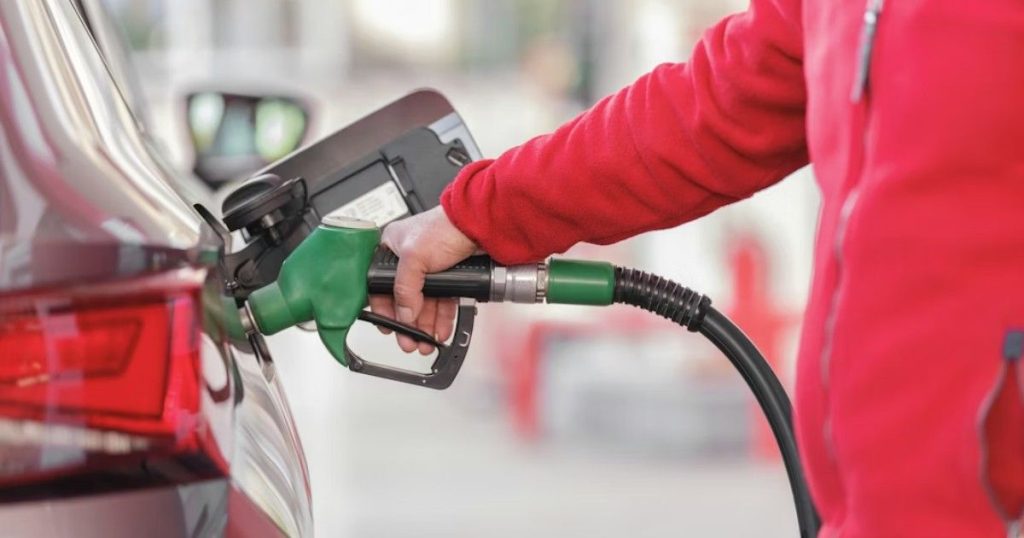
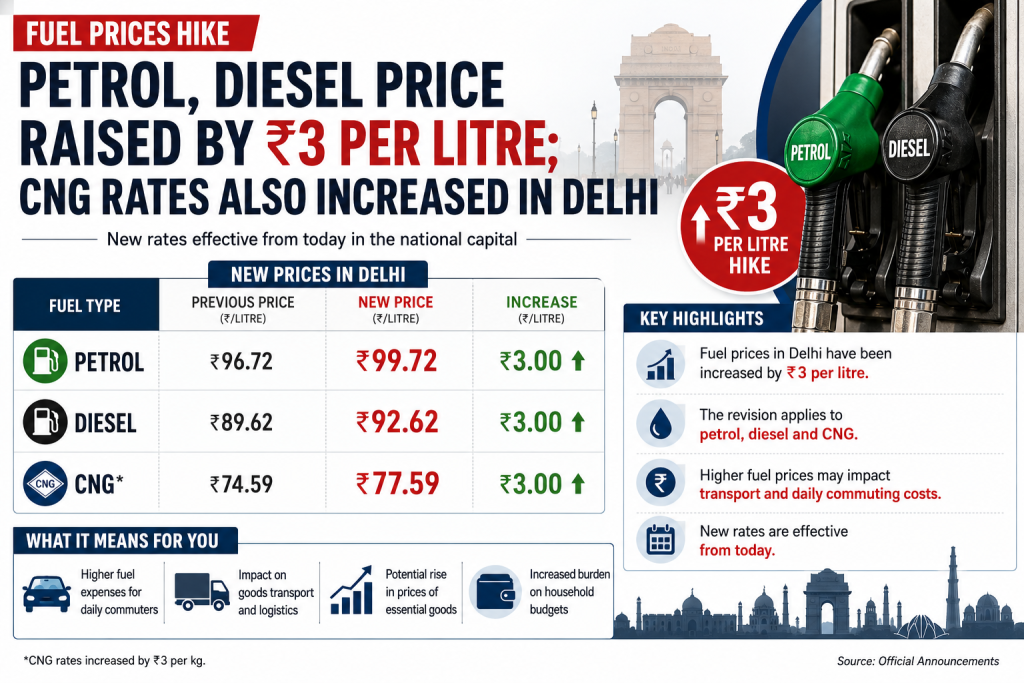
Indian consumers are set to face higher fuel costs after petrol and diesel prices were increased by ₹3 per litre, while CNG rates in Delhi were also revised upward, adding fresh pressure on household budgets, transport economics, and inflation expectations. The price revision comes amid elevated global crude oil prices and continued volatility in international energy markets.
The hike is expected to have immediate implications across personal mobility, logistics, public transport, and business operating costs.
Fresh Fuel Price Hike Takes Effect
The latest increase marks a significant change in domestic retail fuel pricing after a relatively stable period. Petrol and diesel remain critical economic inputs, making even moderate price changes highly impactful across sectors.
Consumers are likely to feel the effect immediately through higher daily transportation expenses.
Delhi CNG Users Also Face Cost Pressure
The simultaneous increase in CNG prices reduces cost advantages previously enjoyed by urban commuters and commercial transport operators relying on gas-based fuel alternatives.
The impact may be felt across:
- Taxi operators
- Auto-rickshaw services
- Commercial fleet operators
- Daily urban commuters
- Delivery services
Why Fuel Prices Have Been Raised
The hike appears linked to multiple macroeconomic pressures:
- Crude oil prices remaining above $100 per barrel
- Geopolitical tensions affecting global supply
- Higher import costs for India
- Pressure on oil marketing company profitability
- Currency-related cost pressures
Inflation Concerns Likely to Rise
Fuel price increases often influence broader inflation because transportation and logistics costs affect pricing across supply chains.
Potential impact areas include:
- Food distribution costs
- Consumer goods transportation
- Delivery charges
- Public transport economics
- Industrial operating expenses
Business Sector Impact
Fuel-intensive sectors such as logistics, mobility services, freight, manufacturing, and e-commerce fulfilment may face immediate cost pressure, potentially leading to pricing adjustments.
Outlook
If global energy pressures persist, consumers and businesses may continue facing elevated fuel-related cost uncertainty in the near term.
Key Insights
1. Historic Break in Price Freeze
Petrol and diesel prices had not moved up for 49 months. On Friday, May 15, 2026, that record freeze ended making this the first fuel price hike in over four years.
2. Who Hiked & How Much
State-owned OMCs Indian Oil Corporation (IOC), Bharat Petroleum (BPCL), and Hindustan Petroleum (HPCL), which together control over 90% of India’s 1 lakh-plus fuel stations raised petrol and diesel prices by ₹3 per litre each.
3. City-wise New Prices
In Delhi, petrol now costs ₹97.77/litre (up from ₹94.77) and diesel ₹90.67 (up from ₹87.67). Mumbai petrol stands at ₹106.68, Kolkata at ₹108.74, and Chennai at ₹103.67, with differences driven by state-level taxes.
4. CNG Also Costlier
Oil Marketing Companies have also raised CNG prices. The price of CNG has increased by ₹2 per kilogram, pushing rates in Delhi to ₹79.09/kg. In Mumbai Metropolitan Region, CNG now costs ₹84/kg, up from ₹82/kg.
5. The Root Cause: West Asia Conflict
The price hike comes amid an energy crisis driven by the West Asia conflict, which has pushed Brent oil prices higher. OMCs in India were absorbing at least ₹30,000 crore every month due to massive under-recoveries on petrol, diesel, and LPG.
6. The Hike is Just a Fraction of What’s Needed
The increase of 3.2–3.4% might seem significant to consumers, but industry sources say it is only one-tenth of the correction actually needed to account for the full surge in global crude since the West Asia war began. Analysts estimated a ₹15–20/litre increase would be needed for OMCs to break even.
7. Inflation & Political Backlash
Congress leader Jairam Ramesh stated that “this is bound to lead to further inflation that is now projected to be close to 6% for this financial year. Growth estimates will be lowered considerably.”
8. Broader Cost-of-Living Context
This fuel hike is part of a wider wave of price increases in May 2026 including a ₹2/litre rise in Amul and Mother Dairy milk (from May 14), a hike in 19 kg commercial LPG cylinders to ₹3,071.50 in Delhi, and a customs duty increase on gold from 6% to 15%.
9. Ripple Effect to Watch
Fuel price shocks in India typically have significant second-round inflationary effects through input costs in agriculture and manufacturing, with transport cost pass-through completing within two to three months of the initial price change.
Image source: Unsplah
Also read: V.D. Satheesan Named as Kerala CM: Congress Ends 10-Day Political Drama
Add Pioneer Today as a preferred source on Google – Click Here
Last Updated on: Friday, May 15, 2026 11:47 am by Koushik Velpuri | Published by: Koushik Velpuri on Friday, May 15, 2026 11:47 am | News Categories: Business
About The Author