US Sanctions Chinese ‘Teapot’ Refinery in Fresh Crackdown on Iran’s Shadow Oil Trade
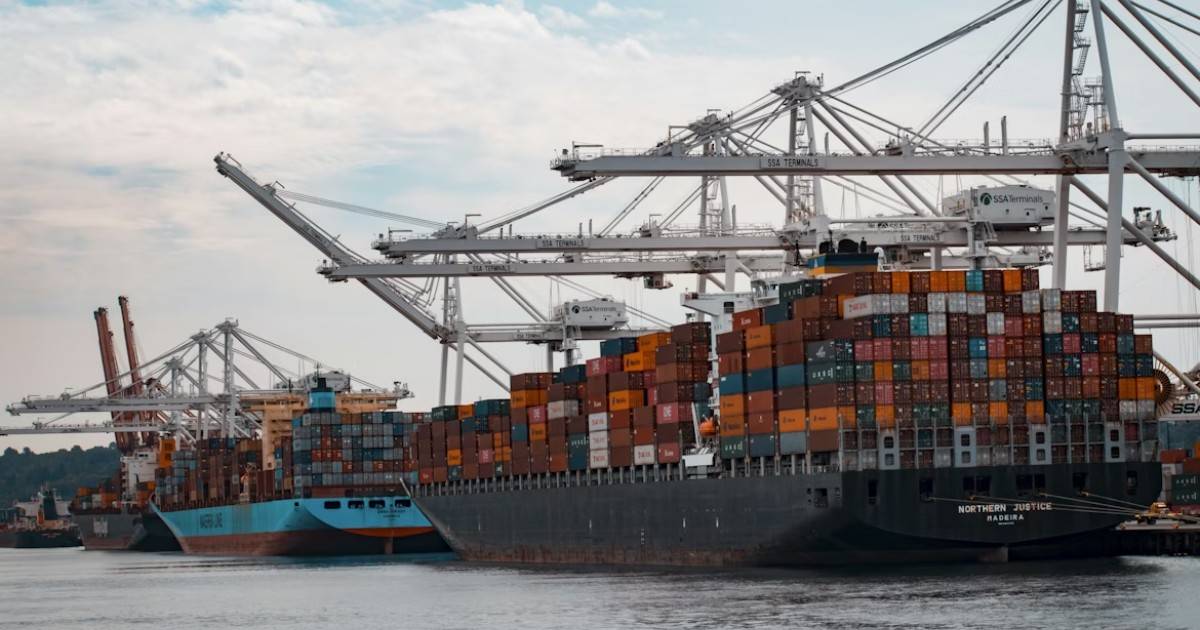
The United States has imposed fresh sanctions on a Chinese independent “teapot” refinery and around 40 shipping companies and vessels linked to Iran’s shadow oil trade, escalating efforts to curb Tehran’s petroleum exports. The move marks one of the most significant recent actions in Washington’s broader pressure campaign targeting Iran’s energy revenues.
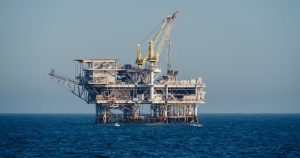
The sanctioned refinery is Hengli Petrochemical (Dalian) Refinery, which US officials allege purchased billions of dollars’ worth of Iranian crude and petroleum products.
Key Highlights
- US sanctions Chinese refinery Hengli Petrochemical
- Around 40 shipping firms and vessels also targeted
- Action linked to Iran’s “shadow fleet” oil transport network
- US says move aims to cut Iran’s oil revenues
- China condemns sanctions as unlawful
Why the US Took This Step
According to the US Treasury Department, the sanctions are part of Washington’s effort to disrupt Iran’s oil export network and restrict revenue that the US says helps fund Tehran’s regional activities and strategic programs.
Treasury Secretary Scott Bessent said the administration would continue targeting buyers, intermediaries, and vessels involved in Iranian oil shipments.
What Is a ‘Teapot’ Refinery?
In China, “teapot refineries” are smaller independent oil processors, typically located outside the state-owned energy system. These refiners often buy discounted crude from sanctioned producers such as Iran and Russia, allowing them to operate competitively despite thin margins.
Such refiners have become major buyers of Iranian oil as larger state-linked firms avoid direct exposure to sanctions.
China Pushes Back
China criticised the sanctions, calling them illegal unilateral measures and accusing Washington of politicising trade and economic relations. Beijing has consistently opposed US secondary sanctions imposed on Chinese firms trading with Iran.
Broader Impact on Oil Markets
The sanctions could tighten scrutiny on Iranian crude flows into Asia and potentially disrupt some trade routes. However, analysts note that many teapot refiners have historically found ways to continue operating despite sanctions due to limited exposure to the US financial system.
Still, the move may increase compliance pressure on shipping operators, insurers, and intermediaries involved in the trade.
Impact on Global Oil Trade
The sanctions could further complicate global oil trade flows, particularly in Asia, where independent refiners have increasingly relied on discounted crude from sanctioned producers. Market analysts say tighter enforcement may force some buyers to seek alternative supply sources, potentially reshaping short-term crude trade patterns.
Shipping and insurance costs may also rise for traders dealing in high-risk routes linked to sanctioned oil cargoes.
Pressure on Iran’s Export Network
The latest move is part of Washington’s broader strategy to weaken Iran’s unofficial export channels, often referred to as the “shadow fleet.” These networks use older tankers, ship-to-ship transfers, and opaque ownership structures to move crude outside traditional compliance systems.
By targeting intermediaries and buyers, the US aims to make these operations more difficult and costly.
Geopolitical Implications
The sanctions are also likely to add friction to already strained US-China relations. Beijing has repeatedly opposed secondary sanctions on Chinese firms and may raise the issue in diplomatic and trade discussions.
At the same time, heightened enforcement could increase volatility in energy markets if traders anticipate broader supply disruptions.
What Lies Ahead
Market participants will now watch whether Washington expands sanctions further potentially toward financial institutions or other Chinese importers as it seeks to intensify pressure on Iran’s oil network.
Conclusion
The latest US sanctions on a Chinese teapot refinery and Iran-linked shipping firms underscore Washington’s renewed push to squeeze Tehran’s oil revenues. The move adds fresh tension to US-China relations while increasing uncertainty in global energy markets.
Image source: Unsplash
Also read: Alembic Pharma Gets USFDA Nod for Fingolimod Capsules, Targets $145 Million US Market
Add Pioneer Today as a preferred source on Google – Click Here
Last Updated on: Saturday, April 25, 2026 12:33 pm by Koushik Velpuri | Published by: Koushik Velpuri on Saturday, April 25, 2026 12:33 pm | News Categories: Business
About The Author