
Air India seeks fresh funding from Tata Group, Singapore Airlines after $2.4 billion loss
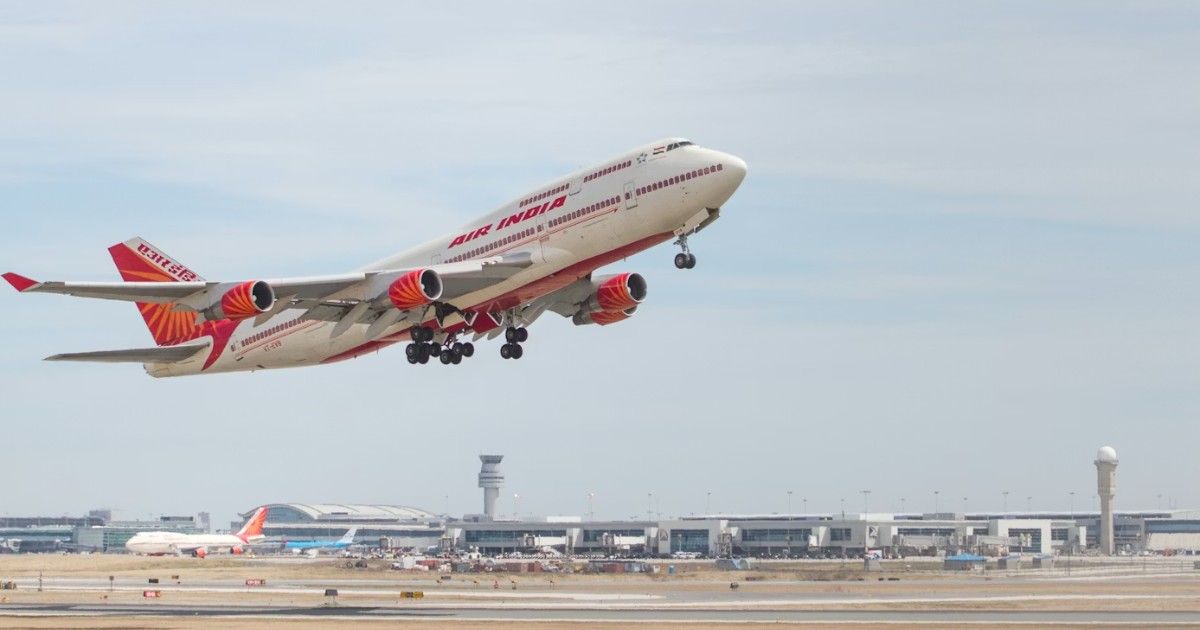
Air India is seeking additional funding from its key stakeholders, Tata Group and Singapore Airlines, after reporting a significant loss of $2.4 billion. The move comes as the airline pushes ahead with its ambitious transformation strategy and expansion plans.
Key Highlights
- Air India reports $2.4 billion loss
- Seeks fresh capital from Tata Group and Singapore Airlines
- Funding aimed at supporting turnaround and expansion
- Focus on fleet modernisation and operational efficiency
The development highlights the financial challenges faced by the airline amid ongoing restructuring efforts.
Why Air India Needs Funds
1. Heavy Operational Losses
The airline continues to face high operational costs, including fuel expenses, maintenance, and staffing, which have impacted profitability.
2. Fleet Expansion Plans
Air India has placed large aircraft orders as part of its modernisation strategy. These investments require significant capital outlay.
3. Transformation Programme
Under the Tata Group, the airline is undergoing a major overhaul, including:
- Upgrading customer experience
- Improving on-time performance
- Integrating operations with other Tata aviation businesses
Role of Key Shareholders
Tata Group, which reacquired Air India from the government, has been leading the airline’s revival strategy.
Singapore Airlines, a strategic partner, also plays a role in strengthening operational expertise and global connectivity.
The funding request signals continued support from stakeholders to stabilise and grow the airline.
Financial Restructuring and Cost Control
Air India is also focusing on financial restructuring to manage its losses more effectively. The airline has been working on reducing operational inefficiencies and optimising costs across departments.
Key steps include:
- Renegotiating vendor and leasing contracts
- Streamlining workforce and operations
- Improving fuel efficiency through modern aircraft
These measures are aimed at stabilising finances while the company continues its long-term transformation.
Integration with Tata Aviation Ecosystem
Under the leadership of the Tata Group, Air India is being integrated with other aviation ventures such as Air India Express and Vistara (a joint venture with Singapore Airlines).
This integration is expected to:
- Improve network connectivity
- Enhance operational synergies
- Strengthen market position in both domestic and international segments
The consolidation strategy is seen as a key pillar of Air India’s revival plan.
Challenges in a Competitive Market
The airline continues to face stiff competition from both low-cost and full-service carriers in India.
- Low-cost airlines dominate domestic routes
- International carriers offer strong global connectivity
- Price sensitivity among passengers adds pressure
To remain competitive, Air India must balance pricing, service quality, and operational efficiency.
Long-Term Outlook
Despite current losses, the airline’s long-term outlook depends on successful execution of its turnaround strategy. With continued support from stakeholders and improved operational performance, Air India aims to regain its position as a leading global carrier.
Industry Context
The aviation sector globally has been recovering from pandemic-related disruptions but continues to face challenges such as:
- High fuel prices
- Intense competition
- Currency fluctuations
Indian carriers, including Air India, are navigating these challenges while expanding capacity to meet rising travel demand.
Public Impact: What It Means for Passengers
- Continued investment in better services and fleet
- Expansion of international and domestic routes
- Potential improvements in reliability and customer experience
However, financial pressures could also influence pricing strategies.
What Happens Next
The outcome of funding discussions will determine the pace of Air India’s transformation.
If approved, the fresh capital could be used to:
- Strengthen financial position
- Accelerate fleet upgrades
- Enhance operational capabilities
Conclusion
The funding request by Air India underscores the scale of its ongoing transformation. While losses remain significant, continued backing from Tata Group and Singapore Airlines could play a crucial role in shaping the airline’s long-term recovery.
Also read: Bajaj Consumer Care gets NCLT nod for scheme of arrangement with Vishal Personal Care
Add Pioneer Today as a preferred source on Google – Click Here
Last Updated on: Wednesday, April 15, 2026 2:07 pm by Koushik Velpuri | Published by: Koushik Velpuri on Wednesday, April 15, 2026 2:07 pm | News Categories: Business
About The Author